
Wind Damage Repair in Kyle, TX
Missing shingles? Lifted edges? Kyle's open I-35 corridor exposes roofs to sustained winds that cause invisible damage. We inspect for free, find what you can't see from the ground, and handle your insurance claim from documentation to final payment.
Austin's Most Trusted Roofing Company
5-star rated service

Windstorm Hit Kyle? Here's What to Do Right Now.
You woke up to find shingles on the lawn. Or you watched last night's thunderstorm roll up I-35 and you're wondering what it did to your roof. Or a neighbor mentioned their roof was damaged and now you're thinking about your own. Kyle's geography makes this a familiar scenario—the I-35 corridor between San Antonio and Austin is open, flat terrain with no natural windbreak. When storm systems track through, Kyle's rooftops take the full force.
The problem with wind damage: It's sneaky. Wind doesn't leave obvious dents like hail. Instead, it breaks the adhesive seal bonds between shingle layers, lifts edges that settle back into place, loosens flashing at chimneys and vents, and creases shingles that fold over and flatten back. Your roof can have serious wind damage and look completely normal from the driveway. That hidden damage worsens with every subsequent storm until one day it leaks.
What to do right now:
Stay off the roof.
Wind-compromised shingles are unpredictable. Even professionals use specific safety protocols on wind-damaged roofs. Assess from the ground only.
Walk your property and document what you find.
Shingles on the ground, debris in gutters, displaced gutter sections, fence damage from wind-blown materials. Take timestamped photos—they establish the event timeline for your claim.
Check for visible signs from ground level.
Missing shingles, exposed black underlayment, lifted edges along the roofline, displaced ridge cap. On Kyle's production-built homes, pay attention to the eaves—builder-grade starter strips are often the first failure point in high winds.
Call us before calling your insurance company.
Professional documentation before filing sets the foundation for your claim. We find ALL the damage—including the hidden broken seals and loosened flashing you'd never see from the ground—so your initial filing is complete.
We respond to wind damage inspections in Kyle within 24-48 hours. Free inspection, no obligation.
Not sure if you actually have damage?
That's exactly the point—wind damage is designed to be invisible from the ground. On Kyle's open terrain, sustained directional winds can break seals across an entire slope without moving a single shingle. We regularly find extensive damage on Kyle roofs where the homeowner saw nothing wrong from the driveway. The inspection is free, and knowing is better than guessing when the next storm rolls through.
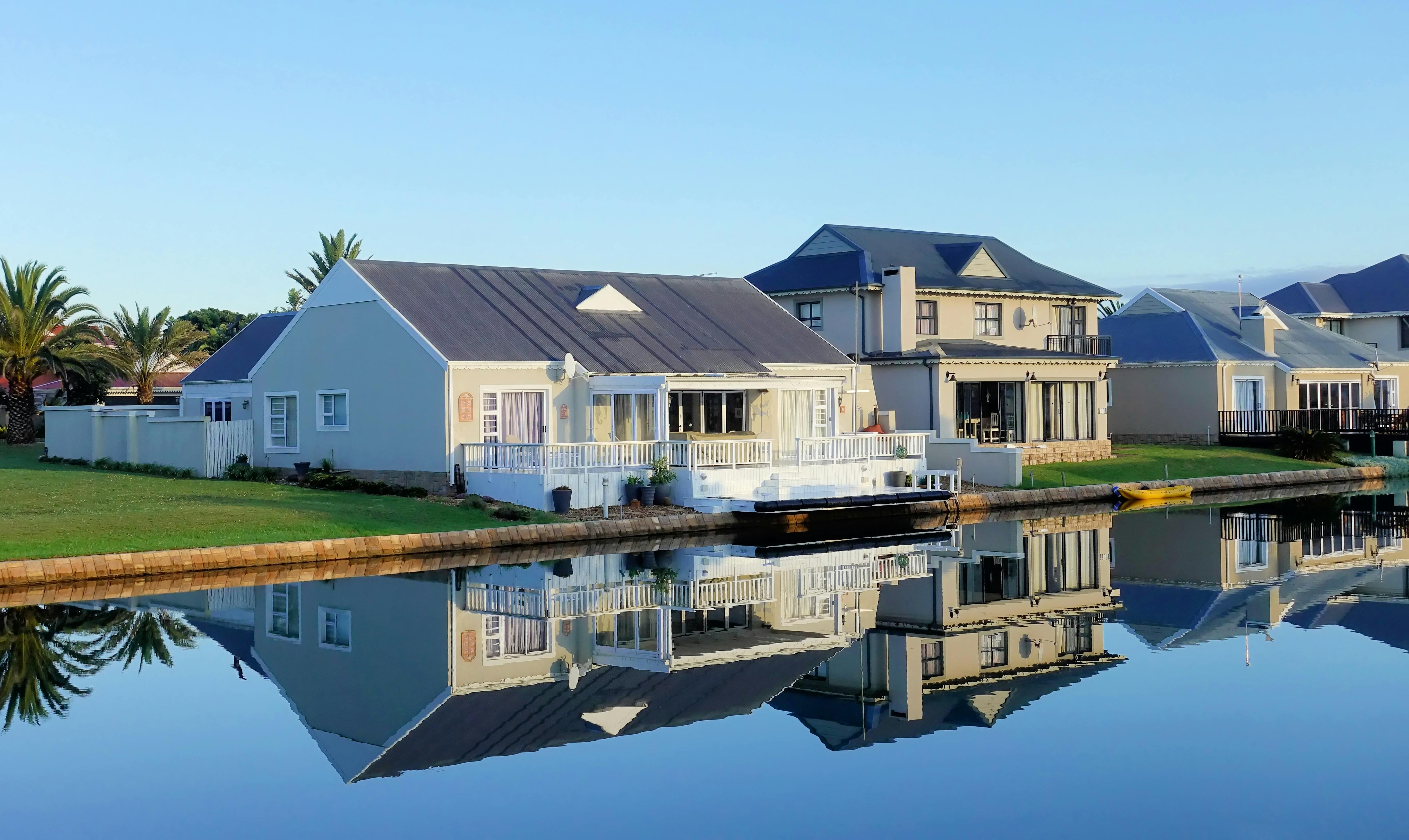
Why Kyle's Open Terrain Makes Wind Damage Worse
Hail leaves dents. Fallen branches leave holes. Wind is different—wind damage is invisible until it causes a leak weeks or months later. And Kyle's geography makes its roofs more wind-exposed than most Austin-area suburbs.
What wind does to Kyle roofs:
- Breaks seal strips between shingle layers.Shingles are glued together with thermally activated adhesive. Wind breaks these bonds, leaving shingles loose but visually intact. On Kyle's open terrain, sustained directional wind works the same seal lines repeatedly—weakening them more thoroughly than gusty, turbulent wind.
- Lifts and creases shingle tabs.Wind gets underneath shingles, folds them upward, and they settle back flat. But the crease weakens the shingle permanently—it will fail at that fold point in the next wind event. From the ground, the crease is invisible.
- Attacks the weakest points first.Eaves, ridges, hip lines, and gable edges take the highest wind stress. On Kyle's newer production homes, builder-grade starter strips and standard four-nail patterns make these areas especially vulnerable to uplift failure.
- Loosens flashing at penetrations.Metal flashing around chimneys, vents, and pipe boots gets pulled by pressure changes during wind events. The resulting gaps are invisible from below but allow water entry from any angle. In Kyle, foundation-related flashing separation can compound this issue.
Why Kyle is different from hill country suburbs:
Cities like Cedar Park and Leander sit on elevated, rolling terrain where hills and ridgelines disrupt wind flow. Kyle was built on flat prairie along the I-35 corridor. Storms that track north from San Antonio cross Kyle at full speed with no terrain to slow them. Many of Kyle's newer subdivisions were built on open farmland without mature tree canopy to buffer wind. The result: Kyle roofs face more sustained, directional wind than most Austin-area neighborhoods.
Does Insurance Cover Wind Damage in Kyle? (Yes—But Documentation Matters)
The short answer: Yes, most Texas homeowner's policies cover sudden wind damage.
The challenge: Wind damage doesn't leave obvious evidence like hail dents—so proving wind causation requires professional documentation.
What insurance typically covers:
- • Shingles torn off or displaced by wind force
- • Broken seal strips causing shingle lift
- • Damaged ridge caps, hip caps, and starter strips
- • Loosened or displaced flashing at penetrations
- • Debris impact from wind-blown objects
- • Interior water damage caused by wind-compromised roofing
What insurance typically doesn't cover:
- • Shingles that failed due to age, not wind force
- • Gradual deterioration that resembles wind damage
- • Foundation-related flashing separation (common in Kyle)
- • Damage caused by deferred maintenance
- • Pre-existing installation defects from builders
On deductibles in Kyle:
Many newer Kyle policies use percentage-based wind/hail deductibles—typically 1-2% of your home's insured value. On a $350,000 Kyle home, that's $3,500-$7,000 out of pocket. If wind damage only warrants $3,000 in repairs, filing may not make sense. But widespread damage requiring a full slope repair or replacement changes the math entirely. Our free inspection gives you real numbers to decide.
On keeping your claim clean:
Kyle's clay soils cause foundation movement that can create roof damage separate from wind—pulled flashing, cracked wall connections, separated counterflashing. If an adjuster finds both wind damage and foundation-related issues on your roof, the claim gets complicated. We document each type separately: wind damage for your insurance claim, foundation issues for your awareness. A clean claim is a fast claim.
Worried about rate increases? Texas law generally prevents insurers from raising your premium for weather-related claims. Wind damage is an act of nature. Ignoring it leads to leaks, rot, and mold that cost far more than any deductible—and those secondary damages may not be covered.
Dealing With Wind Damage in Kyle? Find Your Situation.
No matter where you are in the process—or whether this is your first claim—we can help you move forward.
"I found shingles on the ground after last night's storm."
Call us for a free inspection before calling insurance. What you see is the tip of the iceberg—broken seals and loosened flashing are the real concern.
"The storm was strong but I don't see any damage from the ground."
That's normal—wind damage is typically invisible from ground level. On Kyle's open terrain, sustained wind can break seals across entire slopes without moving a single shingle. A free roof inspection tells the real story.
"This is my first home. I've never dealt with a roof claim."
Many Kyle homeowners are in the same position. We walk you through every step: inspection, claim filing, adjuster meeting, settlement review, and repair. No experience needed on your end.
"I already filed a claim. The adjuster is coming soon."
Call us now. We need to inspect and document before the adjuster arrives so we can walk the roof together and make sure nothing gets overlooked.
"The adjuster said it's 'wear and tear,' not wind damage."
The most common wind claim denial—and frequently wrong, especially on Kyle's older downtown homes. We document directional wind patterns that prove causation. Many denials reverse with proper evidence.
"I got a low settlement that only covers part of the damage."
Adjusters handling high volumes of Hays County claims sometimes walk one slope and miss the rest. We inspect every slope and file supplemental claims for missed damage.
"My older Kyle home's roof was already in rough shape before the wind hit."
Wind can still cause insurable damage on an aging roof—the key is documenting directional patterns that prove wind causation versus gradual deterioration. We know exactly what adjusters need to see.
"The wind event was weeks ago. I put it off."
Texas allows 1-2 years for most storm claims. But hidden damage worsens with every rain, and waiting makes it harder to attribute. Call us while the damage is still clearly from the wind event.
We Handle Your Kyle Wind Damage Claim From Start to Finish
Wind claims are trickier than hail claims. There are no dents to point at. Adjusters default to "wear and tear" more often. That's why having an experienced advocate changes outcomes—especially in Kyle where older roofs and foundation issues complicate claims.
Experience with State Farm, Allstate, USAA, Progressive, Farmers, Liberty Mutual, Travelers, Nationwide, Texas Farm Bureau, and every insurer writing policies in Hays County.
Before the Adjuster Arrives
- Thorough inspection of every wind-vulnerable area
- Photos documenting directional damage patterns
- Xactimate estimate in insurance-standard format
- Foundation-related damage separated from wind damage
During the Adjuster's Visit
- Meet the adjuster at your Kyle home
- Walk every slope and point out documented wind patterns
- Present evidence distinguishing wind from wear
- Counter "wear and tear" denials in real time
If Denied or Underpaid
- Review the denial reason with you
- Provide additional wind damage documentation
- File dispute or supplemental claim
- Many initial denials reversed with proper evidence
How Wind Damage Repair Works in Kyle (Step by Step)
Free Inspection (Within 24-48 Hours)
We inspect every area wind targets: seal strips, perimeter shingles, ridge caps, hip lines, flashing at penetrations. On newer Kyle production homes, we check for builder shortcuts—lightweight starter strips, four-nail patterns, minimal overhang. On older downtown Kyle homes, we distinguish cumulative wind weakening from normal aging.
Honest Assessment
No damage? We tell you. Damage that doesn't exceed your deductible? We tell you that too. If damage warrants a claim, we explain exactly what we found, show photos, and discuss whether repair or replacement makes sense for your situation.
Professional Claim Documentation
Annotated photos, damage map, and Xactimate estimate formatted specifically for wind damage claims. We highlight directional patterns, seal strip failures, and foundation-related damage that should be excluded from your wind claim.
We Meet Your Adjuster on the Roof
We walk every slope together at your Kyle home, pointing out documented damage and explaining the wind patterns. This is where claims are won or lost—especially for wind damage where evidence is subtle and adjusters are looking for reasons to call it wear and tear.
Settlement Review
If the offer is fair, we proceed. If it's too low or denied, we help you dispute with additional evidence and file supplemental claims. Many initial wind damage denials get overturned with proper documentation.
Repairs Completed With Enhanced Wind Resistance
We repair using high-wind rated materials and enhanced installation—six-nail fastening patterns, wind-rated starter strips, sealed ridge cap. Your repaired sections will resist Kyle's I-35 corridor winds better than the original builder installation.

"Is This Wind Damage or Just an Old Roof?" (The Kyle Challenge)
This distinction determines whether insurance pays. Kyle's mix of older downtown homes and newer production builds makes this question more complicated than in most cities—and adjusters take advantage of that ambiguity.
Signs of wind damage:
- • Missing shingles on one side of the roof (windward slope)
- • Broken seal strips on shingles that aren't curled or brittle
- • Clean, fresh underlayment visible where shingles are gone
- • Creased shingles that were folded by wind and settled back
- • Damage concentrated on ridges, eaves, and edges
- • Directional pattern matching a known storm event
- • Neighbors reporting similar damage from the same storm
Signs of normal wear/aging:
- • Curled, brittle, or cracked shingles uniformly across all slopes
- • Granule loss spread evenly (not at impact or stress points)
- • Weathered, aged underlayment where shingles are missing
- • Deterioration that developed gradually over months or years
- • No correlation to a specific weather event
- • Same pattern on sheltered and exposed slopes alike
The "Two Kyles" problem:
Kyle has two distinct housing populations that complicate wind claims differently. Older downtown homes (15-25+ years old) may have legitimate wind damage that adjusters dismiss as "wear and tear" simply because the roof is old. An old roof can absolutely sustain new wind damage—the key is documenting the directional patterns. Newer production homes (built 2012-2023) may have builder installation defects that look like wind damage—or that wind exposed. Adjusters may attribute real wind damage to "installation defects" to avoid paying. We know both scenarios and document accordingly to support your claim regardless of which Kyle your home sits in.
Why Door Knockers Flood Kyle After Every Windstorm
Kyle's rapid growth since 2012 created thousands of newer homes owned by younger families—many navigating their first roof claim. Storm chasers know this. After every significant wind event, contractors from out of state descend on Plum Creek, Steeplechase, Waterleaf, and other Kyle subdivisions within hours.
Red flags every Kyle homeowner should know:
Knocking on your door the same day as the storm
Local companies are helping existing customers—not canvassing Kyle subdivisions for new leads
"You definitely have damage" from your driveway
Wind damage is invisible from the ground—anyone diagnosing from your sidewalk is guessing to get a signature
"We'll waive your deductible"
Insurance fraud in Texas. They'll cut corners on materials and installation to absorb the cost
"Sign today—this price expires"
Your insurance claim is based on damage, not when you hire a contractor. Take your time.
No verifiable local address or long-term reviews
If their Google listing is two months old and their address is a mailbox store, they're following storms—not serving Kyle
Wants you to sign an Assignment of Benefits
An AOB gives the contractor control of your insurance claim. Keep control of your own settlement.
What a legitimate wind damage contractor looks like:
- Inspects your roof before making any claims about damage
- Physical business address in the Austin/Kyle area you can verify
- Google reviews from local homeowners going back years—not weeks
- Gives you time to decide without manufactured urgency
- Meets your adjuster on-site and advocates for your claim
We've been serving the Austin area since 2008—before most Kyle subdivisions were built. We're not following a storm. We live here.
Why Kyle Homeowners Trust Us for Wind Damage Repair
We know Kyle's geography, its housing stock, and how I-35 corridor wind events affect roofs differently than in the hill country suburbs. When the next windstorm rolls through, we'll still be here—not in another state chasing the next event.
Local Company Since 2008
We were here before Plum Creek's first phase and before Steeplechase broke ground. Our reputation in Kyle matters because we're staying.
We Find Hidden Wind Damage
Wind damage is subtle—broken seals, lifted edges, loosened flashing. On Kyle's open-terrain roofs, we know the patterns sustained directional wind leaves behind.
Wind-Specific Documentation
Our reports address exactly what adjusters question about wind claims—directional patterns, seal strip failures, and the distinction from wear and tear.
Foundation-Aware Inspections
Kyle's clay soils create roof damage that looks like wind damage. We separate the two so your wind claim stays clean and your settlement isn't reduced.
No Payment Until Insurance Pays
For insured wind damage claims, you don't pay us until your insurance pays you. We carry the cost because we're confident in our documentation and work.
Enhanced Wind-Resistant Repairs
We repair with six-nail patterns, wind-rated starter strips, and sealed ridge cap—stronger than the original builder installation so your roof handles the next I-35 wind event.
What Kyle Homeowners Say After Wind Damage Repairs
Real stories from Kyle homeowners we helped recover after high wind events
Marco and Elena Reyes
Straight-line winds during a September thunderstorm peeled the starter strip along our entire south-facing eave in Steeplechase. We could see the exposed underlayment from the street. Called Altair the next day and they were out within 36 hours. Turns out the builder used a lightweight starter strip that wasn't designed for high-wind areas—and the four-nail pattern on the first three courses of shingles let everything lift together. Altair documented it all, filed with Progressive, and met the adjuster on the roof. Full replacement of the eave section and re-fastening of the windward slope approved. Our first claim ever and they walked us through everything.
Brenda Holloway
My home near downtown Kyle is 22 years old and the March winds took off about a dozen shingles on the west-facing slope. State Farm sent an adjuster who spent less than 20 minutes on the roof and denied the claim—said it was wear and tear on an old roof, not wind. I called Altair for a second opinion. They got on the roof and documented what the adjuster ignored: the damage was entirely on one slope facing the storm direction, the underlayment was clean where shingles were missing, and neighboring shingles had creases from wind lift. Classic directional wind pattern on a roof that happened to be old. Filed a dispute with Altair's documentation. State Farm reversed the denial and approved a full replacement.
DeShawn and Ashley Carter
Adjuster approved a $2,800 repair for our Waterleaf home after the April wind event—just the front slope where a few shingles were obviously missing. Altair inspected and found broken seal strips across all four slopes, a displaced ridge cap section, and two pipe boot separations. They also identified some flashing pulling away from a wall that was foundation-related, not wind—kept that separate so it wouldn't complicate our wind claim. Filed a supplement with their documentation. Second review approved $11,600 total. The difference between what we almost accepted and what we actually received was almost $9,000. Absolutely worth a second opinion.
Pamela K.
High winds peeled back a section of shingles along our roof edge. Altair came out quickly, replaced the damaged shingles, and reinforced the edge with proper starter strips to prevent future wind lift. Smart fix that addresses the root cause, not just the symptom.
Jeffrey D.
Wind ripped several ridge cap shingles clean off our roof. Altair replaced them with high-wind rated caps and checked the entire ridge line while they were up there. Found two more spots that were starting to lift and secured those too. Thorough and proactive—exactly what you need after wind damage.
Teresa H.
Our roof took a beating from straight-line winds and we had shingles scattered across the yard. Altair assessed the full extent of the damage, worked with our insurance, and made repairs that are rated for higher wind speeds than what we had before. Peace of mind going into the next storm season.
Got Other Roofing Problems? We Can Also Help You with:
Professional roofing services backed by 15+ years of experience
Free Roof Inspection
Professional storm damage assessments to identify leaks and hail impact before they cause interior damage.
Roofing Estimates
Transparent, no-obligation pricing for everything from shingle repairs to full system upgrades.
Roof Repair
Fast, reliable repairs for emergency leaks and wind damage from Austin’s most trusted local roofers.
Roofing Installation
Certified roofing installation in Austin using premium GAF materials. Every new roof is built to withstand the unique Central Texas climate.
Roof Replacement
Total roof replacement services that increase property value and provide long-term peace of mind.
Commercial Roofing
Professional commercial roofing in Austin for flat roofs, TPO, EPDM, and metal systems. We work around your business hours.
Storm Damage Roof Repair
Emergency storm damage roof repair in Austin. We offer rapid response times to secure your home after severe wind, rain, or tornado events.
Hail Damage Roof Repair
Specialized hail restoration and expert insurance claim assistance to maximize your coverage.
Wind Damage Roof Repair
Quickly replacing missing shingles and securing flashing damaged by high-velocity Texas wind storms.
Don't see what you're looking for?
Kyle Neighborhoods We Serve for Wind Damage Repair
From the open-terrain subdivisions of Plum Creek and Waterleaf to the established homes near downtown Kyle, we inspect and repair wind damage across every Kyle neighborhood.
Plum Creek
Steeplechase
Waterleaf
Cypress Forest
Post Oak
Hometown Kyle
Meadows of Kyle
Silverado at Plum Creek
Spring Branch
Kensington Trails
Serving Kyle & Southern Hays County
Wind events track along the I-35 corridor and don't stop at city limits. We handle wind damage inspections and repairs across Kyle, Buda, San Marcos, and throughout southern Hays County. If high winds hit your roof, we'll be there.
Wind Damage Questions Kyle Homeowners Ask
Answers to the questions we hear most after wind events hit Kyle and southern Hays County
- I found shingles in my yard after a windstorm. Does my Kyle roof have damage?
- Almost certainly—and the visible shingles are just the beginning. When wind tears shingles off, it also breaks seal strips on surrounding shingles that are still in place. Those unsealed shingles look fine from the ground but they're no longer waterproof. On Kyle's flat terrain along the I-35 corridor, wind hits roofs with sustained directional force that can compromise entire rows of shingles on the windward side. A free inspection tells you the full picture.
- Why does Kyle seem to get hit hard by wind events?
- Geography. Kyle sits in the open I-35 corridor between San Antonio and Austin—flat terrain with no hills or ridges to slow wind down. Unlike cities in the Hill Country that have natural terrain buffering, Kyle's neighborhoods were built on former farmland and ranchland with very little natural windbreak. Storms that track up I-35 hit Kyle's rooftops at full force. Many newer Kyle subdivisions also lack mature tree canopy that older established neighborhoods use as a natural buffer.
- How do I know if the damage on my Kyle roof is from wind or just age?
- Wind damage follows specific patterns: shingles missing on the windward side (the direction the storm came from), broken seal strips on shingles that aren't curled or brittle, creased shingles where wind folded them, and damage concentrated on ridges, edges, and eaves. Normal aging looks different—uniform curling, granule loss everywhere, brittleness across the entire roof. This distinction matters for insurance, and it's particularly important in Kyle where older downtown homes may have both legitimate wind damage AND aging—which adjusters can confuse.
- My Kyle home is only a few years old. Can a newer roof have wind damage?
- Yes, and newer production-built roofs can be more vulnerable in certain ways. Many Kyle builders installed roofs using the minimum code requirement—four nails per shingle instead of six—which provides less wind resistance. Starter strips at the eaves are often lightweight builder-grade. Seal strips on shingles installed during cooler months may not have fully bonded. The first significant wind event tests these installation choices, and many fail. A new roof doesn't mean a wind-resistant roof.
- Will my insurance cover wind damage on my Kyle home?
- Yes, virtually all Texas homeowner's policies cover sudden wind damage. However, many newer Kyle policies include percentage-based wind/hail deductibles—typically 1-2% of your home's insured value. On a $350,000 Kyle home, that's $3,500-$7,000 out of pocket. Know your deductible before filing. The critical requirement is proving the damage was caused by wind, not wear and tear—which is exactly what our professional documentation addresses.
- The adjuster said my damage is 'wear and tear,' not wind. What do I do?
- This is the most common wind claim denial, and it's frequently wrong—especially in Kyle. On older downtown homes, adjusters see an aging roof with missing shingles and default to 'wear and tear' without examining directional damage patterns. We can provide a second inspection with documentation showing wind-specific indicators: directional patterns, clean underlayment exposure, broken seals on non-brittle shingles, and creasing. Many initial denials get reversed with this evidence.
- Can wind damage cause leaks if no shingles are visibly missing?
- Yes—and this is the most dangerous scenario because homeowners don't realize they need repairs. Wind breaks the adhesive seal between shingle layers. The shingles stay in place but they're no longer sealed against water. It might not leak during the first rain. But each subsequent wind event loosens them further, and eventually water drives sideways underneath. By the time you notice a ceiling stain, you have roof damage, water damage, and potential mold.
- My foundation has shifted. Could that confuse my wind damage claim?
- Yes, and this matters in Kyle because of Hays County's expansive clay soils. Foundation movement can pull flashing away from walls, separate connections, and crack sealant joints—damage that looks similar to wind damage from a distance. If an adjuster attributes your wind damage to foundation issues (or vice versa), it can reduce or deny your claim. We separate the two during our inspection: wind damage goes on your claim, foundation-related issues are documented separately so your wind claim stays clean.
- Will filing a wind damage claim raise my insurance rates?
- Texas law generally prevents insurers from raising your premium for weather-related claims. Wind damage is an act of nature, not negligence. The damage exists on your roof whether you file or not. Leaving it unrepaired leads to accelerated deterioration, leaks, mold, and structural damage that cost far more than your deductible and that your policy won't cover later.
- The wind event was a month ago. Is it too late to file a claim?
- Probably not. Texas allows 1-2 years for most storm claims. However, every rain between now and your repair pushes water through compromised areas, and the longer you wait, the harder it becomes to prove the damage was from a specific wind event. Under Kyle's intense Central Texas sun, exposed areas where seals are broken degrade rapidly. Call us for a free inspection while the damage patterns are still clearly attributable.
- What wind speeds cause roof damage in the Kyle area?
- Sustained winds above 50 mph can damage roofs, and Kyle regularly experiences gusts of 60-70+ mph during spring and fall thunderstorms moving through the I-35 corridor. But damage depends on more than just speed—direction, duration, and your roof's installation quality all matter. Kyle's open terrain allows wind to sustain full speed across neighborhoods without the deceleration that hills and tree canopy provide in other Austin-area cities. Even moderate sustained wind can exploit weaknesses like partially sealed shingles or four-nail installation patterns.
- Storm chasers knocked on my door in Kyle. Should I hire one?
- Be very cautious. Kyle's newer subdivisions—Plum Creek, Steeplechase, Waterleaf—are prime targets after wind events because they're full of first-time homeowners who haven't been through this process. Ask any contractor for a physical local business address, a Texas contractor license, and Google reviews spanning years. If they knocked on your door the day of the storm, claimed you 'definitely' have damage from the driveway, or pressured you to sign immediately, those are red flags. Your claim doesn't expire tomorrow.
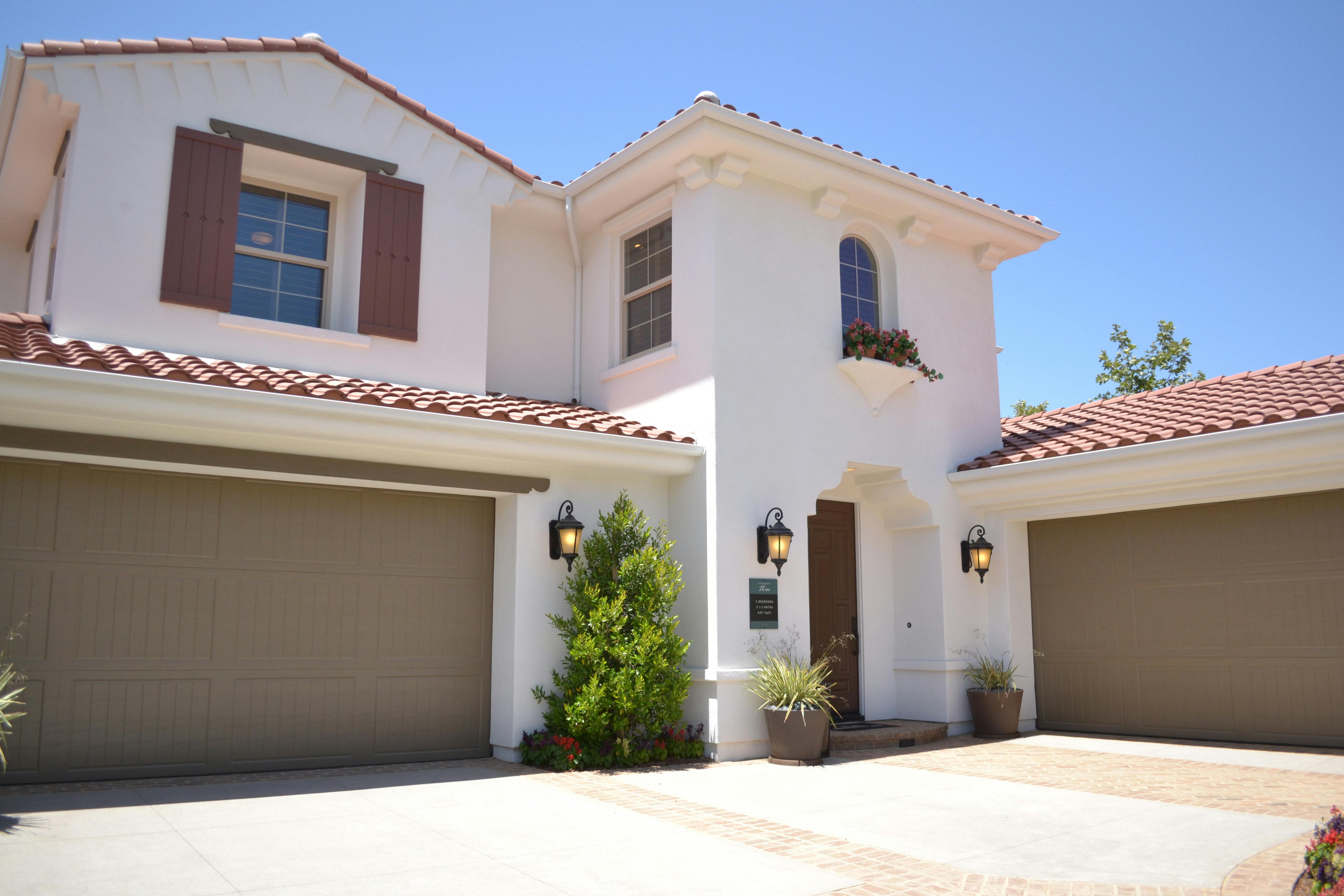
On Kyle's Open Terrain, Wind Damage Gets Worse Fast
A broken seal today becomes a lifted shingle next month. A lifted shingle becomes a missing shingle. Then it leaks, then you have water damage, then mold. Kyle's flat I-35 corridor means every storm system hits your roof at full strength—and each one makes existing damage worse. A free inspection now catches hidden damage before it becomes an expensive problem. No obligation, no pressure.