
Dripping Springs Hail Damage — Free Inspection & Claim Support
Hailstorm reach the Hill Country? Whether you have composition shingles on a custom home or standing seam metal on acreage, we inspect every roofing system and every structure on your property. Free inspection, full insurance claim support, and honest assessment of what's worth filing.
Austin's Most Trusted Roofing Company
5-star rated service

Hail Hit Dripping Springs? Here's What You Need to Know.
Dripping Springs doesn't get hail as frequently as the I-35 corridor communities—Round Rock, Pflugerville, Buda. But when a hailstorm does reach the Hill Country, it arrives with force. Supercell storms that track westward from Austin or develop over the Edwards Plateau deliver hail across elevated terrain with no urban density to weaken or deflect it. Hilltop lots, ridgeline properties, and open pasture land face the approaching storm with nothing between the sky and your roof.
What makes Dripping Springs different after hail: The roofing materials out here are more varied than in typical Austin suburbs. You'll find standard architectural shingles on homes in Belterra and Headwaters, but also standing seam metal, stone-coated steel, and synthetic slate on custom builds throughout the area. Each material responds to hail differently, shows different damage patterns, and requires different documentation for insurance adjusters. A roofer who only knows composition shingles will miss functional damage on a metal system—or overcall cosmetic denting as structural.
The terrain factor: Unlike flat I-35 corridor communities where hail falls uniformly across entire neighborhoods, Dripping Springs' rolling topography creates exposure differentials. A hilltop lot facing the storm's approach takes more direct impacts than a valley lot behind a ridgeline. West and northwest-facing slopes—directly in the path of most approaching cells—take heavier damage than sheltered east-facing slopes. This matters because adjusters who expect uniform damage patterns from their experience in flat suburban areas may not understand the terrain-driven variation.
What to do right now:
Check metal surfaces around your property.
Dented gutters, car hoods, AC condensers, mailboxes, metal fence caps, barn siding. If hail dented metal at ground level, it hit your roofing materials with the same energy. On acreage properties, walk the perimeter of every building—main house, guest house, barn, workshop.
Photograph everything—timestamped.
Dented surfaces, hail on the ground, cracked siding, damaged outdoor furniture, any visible roof debris. These ground-level photos establish that the storm event reached your property and support your claim timeline.
Stay off the roof.
Hill Country rooflines are often steep-pitch, and metal panels become extremely slippery after storms. Walking on hail-damaged shingles can also worsen fractures or destroy evidence the adjuster needs to see.
Call us for a free inspection before calling insurance.
We inspect every roofing material—shingle, metal, stone-coated steel, tile—and document damage specific to each system. Your initial claim filing sets the baseline for your settlement, and starting with material-appropriate documentation changes outcomes.
We respond to Dripping Springs hail inspections within 24-48 hours—including gated properties, long driveways, and acreage off the ranch roads.
Not sure if the hail was severe enough to bother with?
Many Dripping Springs homeowners assume that because hail is less common out here, their one event probably wasn't "bad enough." But it only takes one storm with quarter-size hail to damage a roof. And on exposed Hill Country lots without surrounding structures for deflection, even smaller hail concentrates its energy across every square foot. The inspection is free—there's no cost to finding out.

Seeing Roofing Crews in Your Dripping Springs Neighborhood? You Probably Need an Inspection Too.
After a hailstorm reaches Dripping Springs, you'll start seeing the signs: dumpsters in Belterra driveways, material deliveries stacked in Headwaters cul-de-sacs, roofing trucks parked along Caliterra streets at dawn. Your neighbors are getting their roofs replaced—and you're wondering if yours is damaged too.
If your neighbors have hail damage, you almost certainly do. Hail doesn't skip houses. The key variable in Dripping Springs is terrain: your lot's elevation and orientation relative to the storm's approach determine how heavily each slope was hit. But every roof in the storm's path took impacts.
Hill Country exposure works in your claim's favor.
In dense urban neighborhoods, trees and surrounding homes deflect some hail away from certain slopes. In Dripping Springs—especially on hilltop lots, open pasture homesites, and properties without mature tree cover on all sides—your roof faces the sky with minimal shielding. This means cleaner, more consistent damage patterns that are easier to document and harder for adjusters to dispute.
What determines your settlement isn't just whether damage exists—it's how thoroughly it's documented and how well the documentation matches your specific roofing material. A composition shingle claim and a standing seam metal claim require completely different evidence packages.
What Does Hail Damage Look Like on Dripping Springs Roofs?
Hail leaves physical evidence—but what that evidence looks like depends on your roofing material. Dripping Springs homes run the full spectrum from standard shingles to standing seam metal, and each system tells a different story after hail.
What you can spot from the ground:
- Dents in gutters, downspouts, AC units, and metal fence caps
- Dings on vehicles, mailboxes, or metal barn/workshop siding
- Granule accumulation in gutters, at downspout exits, or in flower beds
- Visible denting on standing seam panels (if visible from angle)
- Neighbors scheduling inspections or getting new roofs installed
What we find on the roof:
- Shingle roofs: Circular bruises, cracked fiberglass mats, granule displacement exposing asphalt
- Metal roofs: Panel dents, cracked sealant at overlaps, stressed clip attachments, coating fractures
- Both systems: Dented flashing at chimneys, walls, and pipe penetrations
- Terrain-driven impact patterns—heavier damage on storm-facing slopes, lighter on sheltered sides
- Canopy-shielded areas with reduced impacts documented separately from exposed areas
Metal roof hail damage: cosmetic vs. functional.
Many Dripping Springs homes have metal roofs, and hail dents on metal are visible—but not all denting warrants an insurance claim. Cosmetic dents that don't compromise the panel's weatherproofing may not exceed your deductible. Functional damage—cracked sealant at panel overlaps, stressed or displaced clip attachments, punctured panels, fractured protective coatings—compromises the roof system and justifies a claim. Most shingle-only roofers can't tell the difference. We can.
The hidden danger on Hill Country roofs:
Hail damage looks cosmetic but compromises waterproofing. When hail knocks granules off shingles, the exposed asphalt bakes under Dripping Springs' intense UV—some of the strongest in the Austin metro due to elevation and open terrain. Exposed asphalt deteriorates three to five times faster than protected areas. On metal roofs, cracked sealant and stressed clips allow slow water intrusion during wind-driven rain. What looks minor today becomes a leak in 12-24 months.
Will Insurance Cover Hail Damage in Dripping Springs? (Almost Always)
Hail damage is among the most straightforward insurance claims in Texas. The storm is documented by weather services, impacts are physically measurable, and damage patterns are distinct from normal wear. Dripping Springs' location west of I-35 doesn't reduce your coverage—your policy covers hail wherever it falls.
What insurance typically covers after hail:
- Damaged shingles—repair or full replacement
- Functionally damaged metal panels, clips, and sealant
- Damaged flashing, pipe boots, vents, ridge and hip caps
- Gutters, downspouts, and accessories
- Interior water damage caused by hail-compromised roofing
On Dripping Springs deductibles:
Custom Hill Country homes carry higher insured values—often $600,000-$1,200,000+—which means percentage-based wind/hail deductibles (typically 1-2%) can be $6,000-$24,000. That sounds prohibitive until you assess total damage scope. Custom rooflines with premium materials, multiple valleys, dormers, and mixed roofing surfaces generate damage scopes of $20,000-$45,000+ after significant hail. Our free inspection gives you the actual numbers.
On getting a fair settlement:
The main risk for Dripping Springs homeowners is adjusters who are accustomed to flat-terrain, production-home shingle claims. They may not understand terrain-driven exposure differentials, may use standard shingle pricing for premium materials, or may walk four slopes on a twelve-slope custom roof. Having a roofer present who understands your specific system and can explain the Hill Country context changes outcomes.
Worried about rate increases? Texas law generally prevents insurers from raising your premium for weather-related claims. Hail is an act of nature. Leaving damage unrepaired under Hill Country UV accelerates degradation faster than in shaded urban areas.
Dealing With Hail Damage in Dripping Springs? Find Your Situation.
No matter where you are in the process, we can help you move forward.
"Hail just came through Dripping Springs."
Call us for a free inspection before calling insurance. Professional documentation before you file creates the strongest foundation for your claim—especially on custom rooflines with multiple material types.
"My car and gutters are dented but my roof looks fine from the ground."
If hail dented metal surfaces, it hit your roofing material with the same energy. Shingle damage and metal panel issues are invisible from below—especially on steep-pitch Hill Country rooflines. Free inspection confirms.
"My neighbors in Belterra/Headwaters are getting new roofs."
If the same storm hit your roof, you almost certainly have the same damage. Same sky, same hail, same impacts. Call for a free inspection.
"I have a metal roof and I'm not sure if the dents matter."
Some dents are cosmetic. Some compromise sealant, clip attachment, or panel coating. We distinguish functional from cosmetic damage and document only what justifies a claim. Most shingle roofers can't assess metal systems.
"I filed my claim. The adjuster is coming."
Call us now. We need to inspect before the adjuster arrives. Custom Dripping Springs rooflines have more slopes, valleys, and penetration points than the adjuster will walk unless someone is there to guide them.
"The adjuster walked a few slopes and approved a partial repair."
On custom homes with 8-12+ slopes, partial inspections miss significant damage. We document what was overlooked and help you file a supplemental claim. Many partial approvals become full replacements.
"My deductible is really high. Is it even worth filing?"
Percentage-based deductibles can be steep on Hill Country home values. But custom rooflines with premium materials produce larger total damage scopes. Our free inspection tells you the actual numbers so you can decide with real data.
"The hailstorm was months ago. I didn't deal with it."
Texas allows 1-2 years for most hail claims. But Hill Country UV degrades hail-damaged areas faster than shaded urban environments. Call for a free inspection while damage is still clearly attributable to the storm event.
We Handle Your Dripping Springs Hail Claim Start to Finish
Hail claims succeed when documentation is thorough and material-specific. On Dripping Springs properties with custom rooflines and mixed materials, generic documentation leaves money on the table.
We've handled hail claims with State Farm, Allstate, USAA, Farmers, Liberty Mutual, Travelers, Nationwide, Texas Farm Bureau, and every insurer active in Hays County.
Before the Adjuster Arrives
- Full property inspection—main house, guest structures, outbuildings
- Material-specific damage documentation (shingle, metal, tile)
- Terrain exposure differential mapped and explained
- Xactimate estimate using correct material pricing—not generic production-home rates
During the Adjuster's Visit
- Meet the adjuster at your Dripping Springs property
- Walk every slope, valley, dormer, and penetration together
- Explain terrain-driven damage patterns and material-specific evidence
- Advocate for accurate scope at Hill Country material pricing
After the Settlement
- Review settlement line by line against documented damage
- File supplemental claims for missed or undervalued items
- Handle recoverable depreciation paperwork for your final payout
- Manage all insurance communication and paperwork
Your roof is unique. Your claim documentation should be too.
From Hailstorm to Restored Roof: How It Works in Dripping Springs
Free Inspection (Within 24-48 Hours)
We drive to your Dripping Springs property—gated acreage, long driveway, all welcome. We inspect every slope, valley, hip, ridge, dormer, and penetration on every structure. On metal roofs, we check panel alignment, clip engagement, sealant integrity, and coating condition. Terrain exposure differentials are mapped and documented.
We Show You What We Found
Honest assessment with photos. Is this worth filing? Does damage exceed your deductible? We give you real numbers based on your specific materials and roofline complexity—not a generic estimate from a driveway walkthrough.
You Decide Whether to File
If damage clearly exceeds your deductible, we help you file with material-specific documentation. If it doesn't, we tell you honestly and explain what to monitor going forward.
We Meet Your Adjuster at Your Property
We walk every slope together, explain terrain-driven damage patterns, demonstrate material-specific evidence, and ensure the adjuster inspects your entire roof system—not just the two slopes visible from the driveway.
Choose Your Materials
Standard replacement or upgrade to Class 4 impact-resistant shingles for insurance discounts and long-term protection. On exposed Hill Country properties, the upgrade case is especially strong. We walk you through every option and cost implication.
Repair or Replacement Completed
Materials matched to your existing system. Correct installation techniques for your specific roofing type. Full cleanup including debris removal from acreage. Most repairs take 1-3 days; full replacements on custom rooflines take 2-5 days depending on complexity.

Getting a New Roof? Hill Country Exposure Makes the Upgrade Worth Considering
Dripping Springs gets hail less frequently than the I-35 corridor—but when it hits, exposed Hill Country properties take the full force. If your claim results in a full replacement, you have a one-time opportunity to upgrade your protection.
Proven Hail Resistance
Class 4 shingles withstand 2-inch steel ball impacts in UL 2218 testing—handling hail that destroys standard architectural shingles
Insurance Premium Savings
Many Texas insurers offer 5-35% premium discounts for Class 4 roofs—savings that compound significantly on higher-value Hill Country homes
Skip the Next Claim
When hail reaches the Hill Country again—and it will—your roof handles it instead of repeating the entire inspection, claim, and repair process
The math for Dripping Springs homeowners:
Impact-resistant shingles cost 15-30% more than standard architectural shingles. On a custom Dripping Springs home, that premium might be $3,000-$7,000 depending on roof size and complexity. But if your insurer offers a 15-25% premium discount on a policy that costs $4,000-$8,000/year, you recover the upgrade cost within 2-4 years—and every year after that is pure savings. Combined with avoiding the deductible, the stress, and the disruption of the next hail claim, the upgrade case is strong for any Dripping Springs home with shingle roofing on exposed terrain.
Storm Chasers Find Dripping Springs After Hail Too. Be Prepared.
Dripping Springs doesn't get the same volume of door-knockers as I-35 corridor communities, but the higher property values out here actually make it an attractive target. After a hailstorm, out-of-state crews target newer subdivisions like Belterra, Headwaters, and Caliterra where homeowners may be navigating their first hail claim. Here's how to protect yourself.
Red flags to watch for:
Knocks on your door right after the storm
Legitimate local roofers are helping existing customers—not canvassing subdivisions
"You definitely have hail damage" from the driveway
Nobody can assess roof damage from the ground—especially on steep Hill Country rooflines
"We'll cover your deductible"
Insurance fraud in Texas—and on higher-value Hill Country homes, the deductible they'd absorb guarantees they'll cut corners on materials or labor
Pressures you to sign today
There's no expiring offer. Texas gives you 1-2 years to file most hail claims
Claims to handle metal roofs but can't identify your system
If they can't name your panel profile, attachment method, or manufacturer, they shouldn't touch it
No verifiable local address or multi-year reviews
Operating from a hotel or PO box—they'll be gone before warranty issues appear
What a legitimate hail damage contractor looks like:
- Gets on your roof and inspects before making claims about damage
- Physical business address in the Austin area you can verify on Google Maps
- Google reviews from local homeowners spanning years—not just the months after storms
- Experience with your specific roofing material—shingle, metal, tile, stone-coated steel
- Gives you time to decide and compare without manufactured urgency
We've been serving the Austin metro—including Dripping Springs—since 2008. We're not following a storm. We live here.
Why Dripping Springs Homeowners Trust Us for Hail Damage
We understand Hill Country roofs—the materials, the terrain, and the insurance dynamics that make Dripping Springs claims different from standard suburban hail work.
Dripping Springs Is a Core Service Area
We drive ranch roads, gate codes, and long private drives as part of our regular operations. Same-day scheduling, no surcharge, same priority as central Austin inspections.
Multi-Material Expertise
Standing seam, exposed fastener metal, stone-coated steel, composition shingles, synthetic slate—we inspect and document hail damage on every system found on Hill Country homes. Most roofers only know shingles.
We Meet Every Adjuster On-Site
We walk every slope together, explain terrain-driven damage patterns, demonstrate material-specific evidence, and make sure the adjuster inspects your entire roof—not just the two slopes visible from the front yard.
Multi-Structure Property Experience
Guest houses, workshops, barns, pool houses, equipment buildings—we inspect every covered structure on your property in a single visit and document each one separately in the claim package.
Impact-Resistant Upgrade Guidance
We help you evaluate whether Class 4 shingles make financial sense—factoring in your insurer's discount, your deductible, your lot's exposure, and your budget. On exposed Hill Country properties, the math usually works.
No Payment Until Insurance Pays
For insured hail claims, you don't pay us until your insurance pays you. We carry the cost because we're confident in our documentation and workmanship.
What Dripping Springs Homeowners Say After Hail Damage Repairs
Real stories from Hill Country homeowners we helped recover after hailstorms
Brian and Laura Whitfield
Hailstorm blew through our part of Dripping Springs in October—came in fast off the ridge behind our house and hammered everything for about 15 minutes. We're on a hilltop lot in Reunion Ranch with zero windbreak to the northwest, so our roof caught all of it. Two Austin companies said they'd come out 'sometime next week.' Altair scheduled us the next morning. They found hail impact across every slope—heavier on the west and north faces that took direct approach, lighter on the east face behind the ridgeline. Documented 70+ impacts, cracked hip caps on three hips, two shattered pipe boot collars, and granule loss across both dormer faces. Filed with Allstate using Altair's documentation. Adjuster walked the roof with Altair's rep and approved a full replacement. One of those situations where the inspection quality made the whole difference—the adjuster told us he would have only checked the front slope if no one was there to walk with him.
Diana Tran
We have a standing seam metal roof on our custom home off Hamilton Pool Road. After a hailstorm I could see dents from the driveway on the south-facing panels, but I had no idea whether dented metal was a real problem or just cosmetic. Called three roofers—two said they 'don't really do metal' and the third wanted to replace the entire roof immediately. Altair was the only company that actually understood the system. They inspected every panel and found that the dents themselves were cosmetic, but hail had cracked the sealant lines at six panel overlaps and stressed three clip attachments enough to allow panel creep. Those were the functional issues that warranted an insurance claim. Filed with USAA for the sealant and clip repairs—not the cosmetic dents. Adjuster agreed with Altair's assessment. Got exactly the repair I needed without overpaying for cosmetic work or ignoring the real problems underneath.
Greg and Maria Espinoza
Belterra got hit by hail in April and our Farmers adjuster came out within a week. He spent 20 minutes, walked two of our seven slopes, and approved a partial repair for $3,800. Our house has four valleys, two dormers, and a chimney cricket—none of which he checked. Called Altair for a second opinion. They spent over an hour on our roof and found hail damage on every slope, cracked valley flashing at two intersections, damaged drip edge on three eaves, and granule loss on both dormer faces. Their documentation showed the adjuster missed roughly 60% of the actual damage. Filed a supplement. Second adjuster came out, spent a full hour with Altair's rep, and approved a complete replacement—$14,200 more than the original offer. We also upgraded to Class 4 impact-resistant shingles on Altair's recommendation. Premium dropped 18%. Next time hail comes through Belterra, we're covered.
Cynthia V.
After the spring hailstorm, we had dents all over our roof. Altair documented every bit of damage, met with our insurance adjuster, and made sure we got full coverage. The repair was done in a day and our roof looks brand new. They made the insurance process painless.
Brandon A.
Two storm chasers knocked on our door offering free inspections. We called Altair instead—a local company we could trust. They found legitimate hail damage, handled the insurance paperwork, and did quality repair work. No pressure, no games, just honest service.
Kelly R.
Golf ball sized hail cracked several shingles and dented our gutters. Altair assessed the damage honestly—some areas needed repair, others were just cosmetic. They only fixed what was necessary and our insurance covered everything. Refreshing to work with a company that does not inflate claims.
Got Other Roofing Problems? We Can Also Help You with:
Professional roofing services backed by 15+ years of experience
Free Roof Inspection
Professional storm damage assessments to identify leaks and hail impact before they cause interior damage.
Roofing Estimates
Transparent, no-obligation pricing for everything from shingle repairs to full system upgrades.
Roof Repair
Fast, reliable repairs for emergency leaks and wind damage from Austin’s most trusted local roofers.
Roofing Installation
Certified roofing installation in Austin using premium GAF materials. Every new roof is built to withstand the unique Central Texas climate.
Roof Replacement
Total roof replacement services that increase property value and provide long-term peace of mind.
Commercial Roofing
Professional commercial roofing in Austin for flat roofs, TPO, EPDM, and metal systems. We work around your business hours.
Storm Damage Roof Repair
Emergency storm damage roof repair in Austin. We offer rapid response times to secure your home after severe wind, rain, or tornado events.
Hail Damage Roof Repair
Specialized hail restoration and expert insurance claim assistance to maximize your coverage.
Wind Damage Roof Repair
Quickly replacing missing shingles and securing flashing damaged by high-velocity Texas wind storms.
Don't see what you're looking for?
Dripping Springs Communities We Inspect After Hailstorms
From the master-planned neighborhoods along 290 to the custom homes on acreage throughout the Hill Country, we inspect and repair hail damage across every Dripping Springs community.
Belterra
Caliterra
Headwaters
Reunion Ranch
Heritage Oaks
Sawyer Ranch
Highpointe
Bell Springs
Rim Rock
West Cave Estates
Serving Dripping Springs & the Hill Country Corridor
Hailstorms that reach the Hill Country don't follow city limits. We handle hail damage inspections and repairs across Dripping Springs, Bee Cave, Wimberley, Johnson City, and throughout western Hays and Travis counties.
Hail Damage Questions Dripping Springs Homeowners Ask
Answers to the questions we hear most after hailstorms hit the Hill Country
- Hail just hit Dripping Springs. What should I do first?
- Document ground-level evidence with timestamped photos—dented gutters, car dings, damaged AC units, hail still on the ground or patio. Do not climb on your roof, especially if it's steep-pitch or metal. Call us for a free inspection before contacting your insurance company. We document every impact on every slope and every structure on your property so your initial claim captures the full scope.
- Dripping Springs doesn't get hail as often as Austin or Round Rock. Can a single storm really cause enough damage?
- Yes. Frequency doesn't determine severity. When hail reaches the Hill Country, it can be large and driven by strong winds. The open ridgeline exposure many Dripping Springs homes have—hilltop lots with no surrounding structures for deflection—means your roof faces the full force of whatever comes through. A single event with quarter-size hail or larger can warrant a full replacement, especially on standard architectural shingles.
- I have a metal roof. Does hail damage it differently than shingles?
- Yes, and the documentation approach is different. Hail dents standing seam and metal panels, but the functional question is whether those dents compromise weatherproofing—cracked sealant at panel overlaps, stressed clip attachments, punctured panels from larger stones. Cosmetic denting on metal is visible but may not justify a claim by itself. Functional damage—compromised seams, stressed clips, cracked coatings—does. We know the difference and document accordingly.
- I can't see any damage from the ground. Should I still get an inspection?
- If your Dripping Springs neighborhood was hit by hail, yes. On shingle roofs, hail damage—cracked fiberglass mats, granule displacement, bruised soft spots—is invisible from ground level. On metal roofs, panel dents may be hidden on slopes you can't see from the driveway. Steep-pitch Hill Country rooflines make ground-level assessment even less reliable. A free on-roof inspection is the only way to know.
- My home is on a hilltop with no windbreak. Does that matter for hail damage?
- Significantly. Hilltop and ridgeline properties in Dripping Springs are fully exposed to approaching storm cells with nothing to slow the hail before it reaches your roof. Properties in valleys or behind tree lines may see reduced impact severity on their shielded slopes. This terrain-driven exposure differential is something we document explicitly—adjusters from flat urban areas may not understand why one slope shows heavy damage while another shows less.
- Will my insurance cover hail damage on my Dripping Springs home?
- Almost always. Hail damage is one of the most straightforward insurance claims in Texas—impacts are measurable, storms are documented by weather services, and damage patterns are physically distinct. The key is thorough documentation, especially on custom Hill Country homes where adjusters unfamiliar with the area may undervalue materials or miss damage on complex rooflines they don't fully walk.
- Will filing a hail claim raise my insurance rates?
- Texas law generally prevents insurers from raising your premium specifically for weather-related claims. Hail is an act of nature. Leaving hail damage unrepaired in the Hill Country is particularly risky—the intense UV exposure and wide daily temperature swings accelerate shingle degradation at every impact site. What's a covered claim today becomes uncovered wear-and-tear next year.
- My deductible is high because of my home's value. Is filing still worth it?
- Often, yes. Custom Dripping Springs homes frequently carry percentage-based wind/hail deductibles—1-2% of insured value, which on a $600,000-$1,200,000 home can be $6,000-$24,000. But custom rooflines with premium materials, multiple valleys, dormers, and mixed surfaces produce total damage scopes of $20,000-$45,000+. Our free inspection gives you real numbers for your specific property so you can make an informed decision.
- The adjuster only walked two slopes and left. Is that normal?
- Unfortunately common, but not adequate—especially on Dripping Springs custom homes. A simple hip or gable roof might have 4-6 slopes. Custom Hill Country homes can have 8-12+ slopes, multiple valley intersections, dormers, wall transitions, and chimney flashings. If the adjuster skipped half your roof, they missed damage. We inspect everything and help you file a supplemental claim for what was overlooked.
- I have outbuildings and a barn that also got hit. Can those go on the claim?
- If they're listed as covered structures on your policy, yes. Many Dripping Springs properties include detached workshops, horse barns, guest casitas, pool houses, or equipment buildings—often with metal roofing. Each structure's damage needs separate documentation with material-specific detail. We inspect every structure on your property in a single visit.
- Should I upgrade to impact-resistant shingles?
- If your claim results in a full replacement, consider it—especially on exposed Hill Country lots. Class 4 shingles cost 15-30% more but many Texas insurers offer 5-35% premium discounts. The savings compound faster on higher-value Dripping Springs homes. And the next time hail reaches the Hill Country, your roof handles it instead of repeating this entire process.
- The hailstorm was weeks ago. Is it too late to file?
- Probably not. Texas policies typically allow 1-2 years for hail claims. But waiting weakens your position. In the Hill Country, intense UV and daily thermal cycling degrade hail-damaged shingles faster than in shaded urban neighborhoods. Granule loss that's clearly hail-related today becomes indistinguishable from wear-and-tear as months pass. A free inspection now establishes what's still clearly attributable.
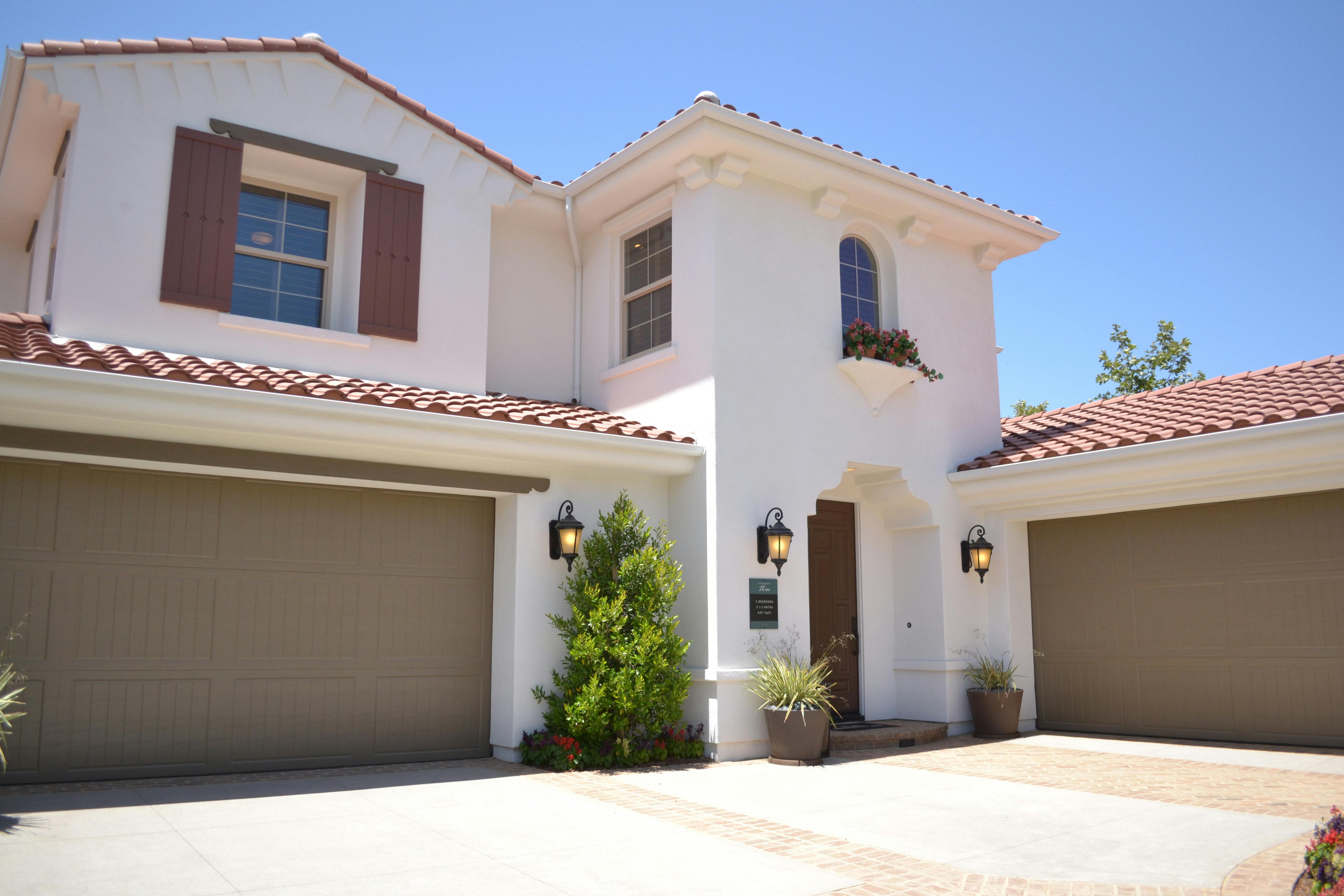
Hail Reached the Hill Country? Every Sunny Day Makes It Worse.
Every day after the hailstorm, Dripping Springs' intense UV bakes every impact site where granules were knocked away. Exposed asphalt that's clearly hail-related today becomes indistinguishable from wear-and-tear as months pass—turning a covered insurance claim into an uncovered maintenance problem. On metal roofs, hail-cracked sealant and stressed clips allow slow water intrusion with every rain. A free inspection gives you the facts. No obligation, no pressure, and we drive to you—even on acreage.